

How Architects Use Lasers and Drones in Architecture
Architects depend on tools and technology to help them with architectural projects. Here’s how architects use lasers and drones during projects.
Technology has revolutionized how architects approach their craft, allowing for previously unimaginable precision and efficiency. From transforming surveying techniques to redefining construction monitoring, tools like lasers and drones are now essential in modern architecture. Below, we’ll explore how professional architects are using these technologies today.
Laser’s revolutionizing surveying and mapping
Gone are the days of tape measures and manual calculations. Lasers have become a staple in architecture, allowing architects to measure spaces accurately. Laser scanning technology captures millions of data points in minutes, creating detailed 3D models of structures and terrains. This precision is vital during the design phase, particularly for complex projects, renovations, or historical site preservation.
Additionally, as-built modeling techniques have evolved thanks to laser scanning. Architects can now use precise laser measurements to create detailed models of completed buildings, showcasing every element as it exists. These models assist with renovations and help identify discrepancies between planned designs and complete structures.
How do drones shape modern architecture?
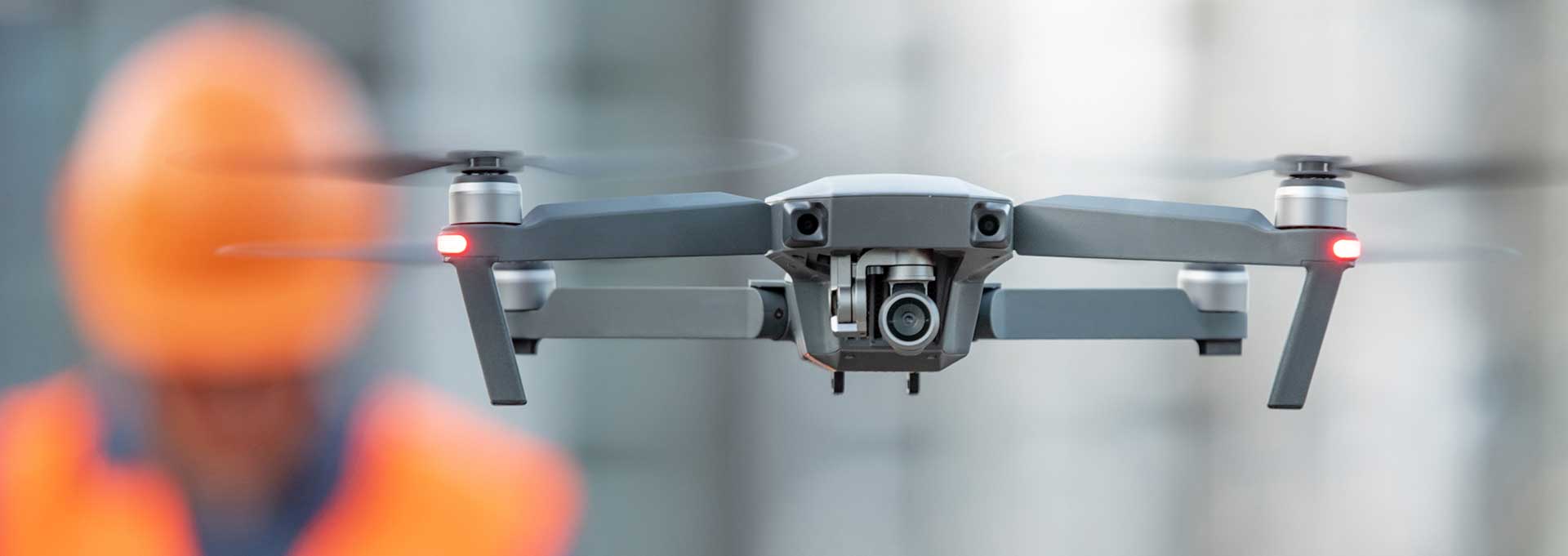
Drones are transforming the architectural workflow, providing aerial perspectives and data collection that wasn’t possible before. They are particularly valuable during site analysis because they offer detailed aerial views and help architects understand site conditions, topography, and environmental factors before construction begins.
Beyond the initial analysis, drones monitor the progress of construction. Architects and builders can spot delays, assess material usage, and identify potential problems early on without needing to visit the site physically. This real-time monitoring not only reduces costs but also improves the efficiency of the construction process.
Another benefit of drones is documenting finished projects. By capturing high-quality aerial footage, architects can showcase their work in the most visually compelling way possible through portfolios, proposals, or promotional materials for clients.
The future of technology in architecture
The integration of lasers and drones in architecture is just the beginning. Architects should prepare for other technological advancements, such as AI-powered design software and improved sustainability modeling tools. Virtual and augmented reality are also making their way into architectural workflows, providing immersive ways to visualize and refine designs.
3D printing for large-scale structural components, combined with digital modeling tools, is another trend to watch. These evolving technologies will further reduce errors, refine designs, and enhance team collaboration.
Staying ahead in an evolving field
For architects, staying current with these tools isn’t just beneficial, it’s essential for remaining competitive in the industry. Tools like lasers and drones don’t just make processes faster; they foster more innovative, accurate, and cost-effective designs. With emerging technologies transforming architecture, professionals who keep evolving alongside these advances will always be a step ahead.
As you can see, architects depend on drones and lasers during architecture projects. They help in more ways than one.
That said, you can now stay updated with all the latest technological advancements by attending our latest panel discussions with global industry leaders. These conversations pave the way for networking and identifying the best / top strategies in the industry. So, join us by registering now: Webinars – AICorespot


